
Expanding access to operational credibility is essential for institutional strength
Career advancement in engineering isn’t just about talent – it’s about access to key experiences that build executive credibility. Picture a sharp young engineer on an early assignment. Stellar performance reviews, top-tier degree, technical wizardry. She’s crushing it. But what about promotion to executive ranks? That’s not about code or circuits alone – it’s forged in exposure: owning a P&L, surviving rotations, navigating crises and shouldering revenue hits. These gritty proving grounds quietly script trajectories. But for women in engineering and first-generation professionals, access to these opportunities is a mountain. This disparity is because pipelines talk about diversity in hiring, whereas career advancement hinges on operational visibility. To fix the problem, institutions need to design opportunities and not just rely on broad policy.
Unconscious workplace biases[Ref] are automatic, unintentional judgments shaped by stereotypes and experiences that influence decisions without awareness. They stem from cognitive shortcuts the brain uses in fast-paced settings, affecting hiring, promotions, and team dynamics. These biases lead to unfair treatment, such as favoring candidates with similar backgrounds or overlooking contributions from underrepresented groups. Over time, they harm morale, productivity, and retention by creating exclusion and disengagement. Engineering leadership pipelines are no exception and are shaped long before boardroom promotions. The result is a highly skewed leadership drawn from a very predictable talent pool. For many aspiring leaders, especially women in engineering and first-generation professionals, access to the proving grounds is uneven.
I believe advancement for women in particular often hits a wall at the general management level itself. There is a confluence of factors. Clearly, there is a selection bias for these roles, which remain dominated by men. Women early in their career either self-select support roles like finance, marketing, human resources or are often steered toward these paths. These are subtle decisions and influence early career choices that can be difficult to overcome later. There’s no talent gap, but companies still unintentionally sideline women, falling into gender biases.
The power of early P&L accountability can fix this problem. In industrial firms, exposure cements long-term credibility. CEOs are the ultimate change agents for any cultural change internal to any company. By directly engaging, setting up metrics, inspecting succession plans, and celebrating successes, they can change the way employees view themselves within the organization. This isn’t optics but redesigning access, to shift the focus from hiring tallies to tracking operational exposure metrics like who gets P&L shots, the crisis command chain, women and first-gen talent in these lanes, etc.
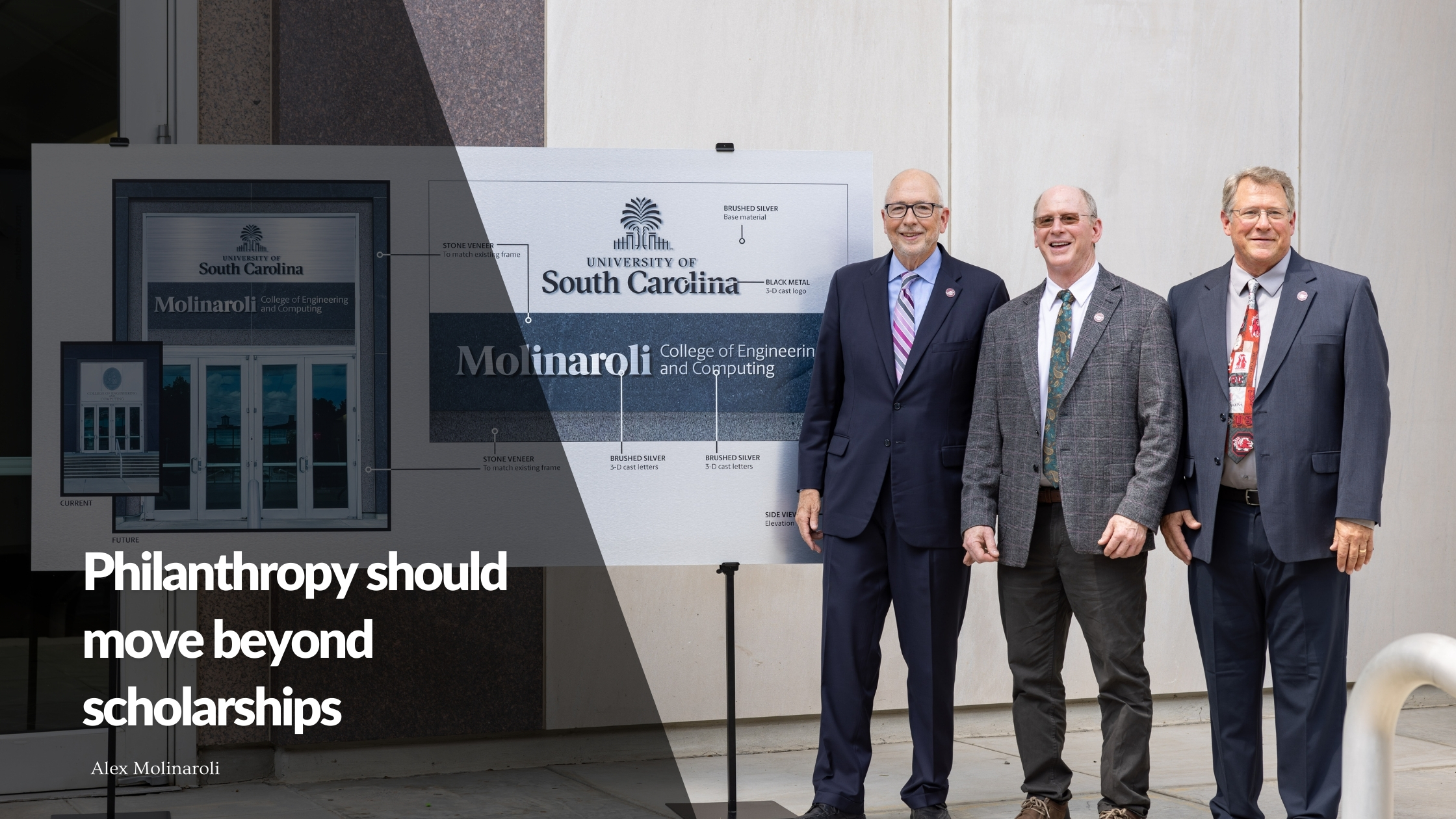
I believe philanthropy should also move beyond scholarships toward creating measurable leadership pathways. It’s easy to provide financial resources to institutions without guardrails or guidance. But if you want specific results, you are best to set expectations with your giving; activities, metrics and outcomes. Even better if you personally visibly lean in and provide mentorship and encourage leadership experiences. The idea is to move beyond aid to engineered pathways like sponsored rotations, P&L simulations, and alumni networks, because measurable access expands opportunity, fueling diverse pipelines that endure.
Engineering leadership demands more than just talent hunts. It’s the stewardship of who gets tested, and institutions thrive when proving grounds welcome all comers, not just the lucky ones.